
Here is an example of Perfect bound brochures…Please contact us here for your specific request…
Perfect Bound Brochures
£140
Product details
Print run 20
Size A5 (148 x 210 mm)
Pages (incl. covers) 40
Material Appearance Silk
Paper thickness inside pages 170 gsm Silk MC
Cover 300 gsm Sulfate cardboard + gloss lamination
Delivery 3 working days
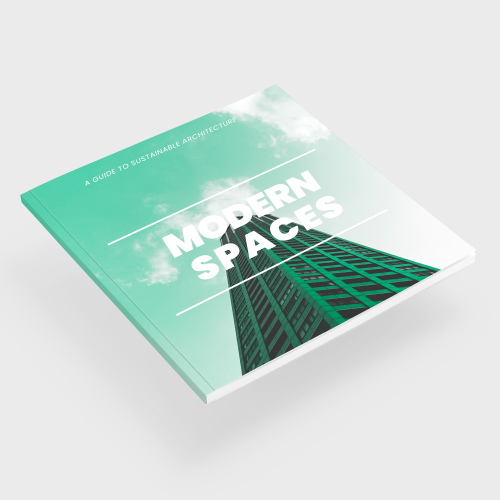
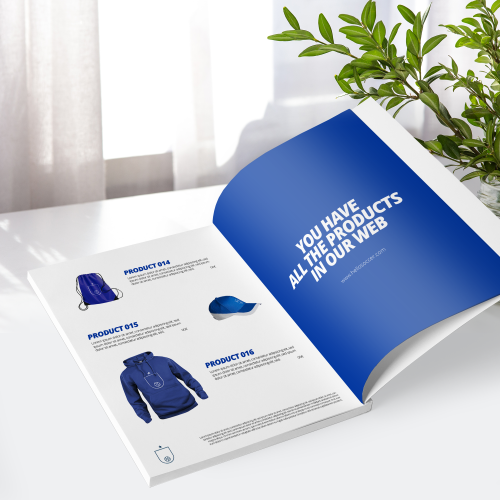
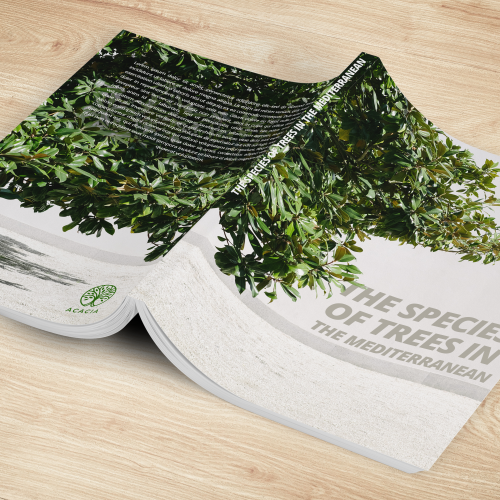
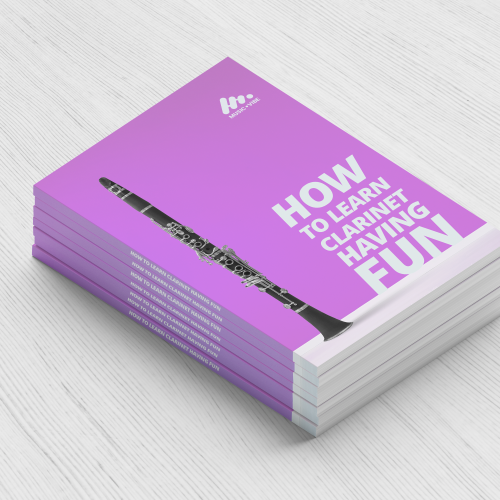
Perfect Bound Brochures – Our 2025 Guide
A detailed, easy-to-read, and comprehensive guide for anyone planning to create professional perfect bound brochures – from business owners to graphic designers.
If you’ve ever admired the sleek, square-spined look of a magazine or product catalogue, chances are you’ve held a perfect bound brochure in your hands. It’s the go-to print style for brands that want a modern, polished, book-like feel. In this guide, we’ll break down everything you need to know — from what perfect binding is, how it’s made, and how to design for it, to why working with a professional printer like Printer Glasgow can make all the difference.
What Is a Perfect Bound Brochure?
Understanding “Perfect Binding”
Perfect binding is a professional bookbinding method where individual pages are glued together at the spine using a strong adhesive. The cover — usually made from a heavier paper or card — wraps around the glued edge, giving the final product a clean, square spine. You can read more about the process on Wikipedia’s Perfect Binding article.
How It Applies to Brochures
In simple terms, a perfect bound brochure is a brochure bound like a softcover book. Instead of being stapled or folded, its pages are glued along the spine and trimmed for a neat, modern finish. It’s ideal for businesses that need to present extensive information — such as catalogues, company reports, or luxury brochures — in a format that looks premium and lasts longer.
Advantages of Perfect Binding
- Professional finish: The square spine gives a neat, book-like look.
- Durable: The glue and cover protect the pages and hold them securely.
- Customisable: You can print on the spine — ideal for branding or titles.
- Ideal for thick brochures: Suitable for 30–300 pages.
- Premium feel: Perfect for marketing materials where first impressions matter.
How It Differs from Other Binding Types
Before choosing perfect binding, it helps to compare it to other popular options:
- Saddle Stitching: Pages are folded and stapled through the centre fold. Best for short booklets under 48 pages.
- Wire or Spiral Binding: Uses coils or wires through punched holes. Great for manuals or notebooks that need to lay flat.
- Case Binding: A more durable, hardcover bookbinding method used for premium books.
Perfect binding sits comfortably between saddle stitch and case binding — offering a high-quality finish without the cost of hardcovers.
When and Why to Use Perfect Bound Brochures
Best Use Cases
Perfect bound brochures are ideal when you want to make a strong impression and have enough content to justify a spine. Typical applications include:
- Product catalogues with detailed specifications
- Corporate or annual reports
- Company profile brochures
- Art and photography portfolios
- Luxury real estate listings
- Event programmes and exhibition booklets
- Brand magazines or lookbooks
Branding and Marketing Benefits
Perfect bound brochures carry a sense of permanence and quality. When a potential client picks one up, the weight and sturdiness suggest credibility and professionalism. This is especially valuable in industries where presentation influences buying decisions — such as property, fashion, design, and corporate marketing.
Practical Considerations
- Minimum page count: Most printers recommend at least 30 pages for a spine thick enough to hold glue properly.
- Not ideal for small brochures: Thin documents may not bind well or could appear flimsy.
- Doesn’t lie flat: Unlike spiral binding, perfect bound brochures do not open completely flat — unless PUR glue is used.
- Higher cost: More expensive than stapled booklets, but offers a much higher perceived value.
The Perfect Binding Process Explained
1. Printing and Collating
After your brochure is designed, pages are printed, collated in order, and prepared for binding. Printers may use digital or offset methods depending on the volume and quality required. (Learn more about offset printing.)
2. Spine Preparation
The edges of the pages (the spine) are roughened or ground to help the adhesive bond more effectively. This ensures durability even with frequent handling.
3. Gluing
High-quality adhesive — often hot-melt EVA or PUR (Polyurethane Reactive) — is applied along the spine. PUR is more flexible and durable, making it ideal for thick or photo-heavy brochures that need to open wider.
4. Cover Application
The cover, printed on heavier paper stock, is wrapped around the glued spine. It’s then pressed firmly to ensure adhesion.
5. Trimming
Finally, the edges are trimmed using a three-knife trimmer, producing perfectly even sides and sharp corners.
6. Finishing Touches
Optional finishes like gloss or matte lamination, spot UV, embossing, or foil stamping can be added for extra style and protection.
Designing for Perfect Bound Brochures
Accounting for the Spine
The thickness of the spine depends on your page count and paper weight. Always calculate this early — your printer can help determine the exact width so you can include spine artwork or text that aligns perfectly.
Bleed and Margins
Allow for at least 3mm bleed on all sides, and keep critical elements (text, logos) at least 5mm from trim lines. Also, allow an inner “gutter” margin to prevent content from disappearing into the spine.
Cover Layout
The cover is typically designed as one continuous spread — back cover, spine, and front cover — in a single file. Make sure the spine area colour and imagery line up accurately.
Paper Selection
- Interior pages: Often printed on 130gsm–170gsm silk or gloss paper.
- Cover: Usually 250gsm–350gsm card with optional laminate.
- Finish: Choose between gloss for vibrancy or matte for a more subtle, sophisticated look.
Colour, Images, and Resolution
Use CMYK colour mode for print and 300 dpi resolution for images. Avoid RGB images, as they may print differently than expected. Soft-proof your design if possible to check colour accuracy.
Proofing Before Printing
Always request a proof — either digital or printed. This helps catch layout issues, text misalignment, or incorrect spine measurements before the final print run.
The Psychology of Brochure Design
Visual Hierarchy
Readers naturally scan from top left to bottom right. Use this to your advantage by placing headlines, images, and calls to action where the eye falls first. Use size and colour contrast to create flow and guide attention.
Colour Psychology
Colour has a strong impact on perception. Blue evokes trust, red creates urgency, green suggests growth and sustainability. Align your palette with your brand message and audience expectations.
Typography and Readability
Use no more than two to three typefaces. Choose clean, legible fonts for body text and distinctive fonts for headings. Line spacing, paragraph width, and text contrast all affect readability and comfort.
Imagery and Emotion
Use authentic, high-resolution images that reinforce your message. People connect emotionally with real scenarios more than stock imagery — consider custom photography for maximum impact.
Consistency Builds Trust
Keep colours, styles, and tone consistent throughout. A cohesive design feels more credible and professional, which can influence how seriously your audience takes your message.
Eco-Friendly and Sustainable Printing Options
Environmental awareness is more important than ever. Fortunately, modern printing allows for sustainable practices without compromising quality.
Recycled and FSC® Certified Paper
Opt for paper from responsibly managed forests (FSC-certified) or recycled stock. These options maintain excellent print quality and reduce environmental impact.
Vegetable-Based Inks
Instead of petroleum-based inks, vegetable inks offer vibrant colours and easier recycling. They emit fewer volatile organic compounds (VOCs), making them eco-friendlier.
Eco Laminates and Coatings
Choose biodegradable or water-based coatings instead of traditional plastic lamination. Soft-touch eco laminates now offer similar quality and feel while being more sustainable.
Local Printing to Reduce Carbon Footprint
Working with a local printer such as Printer Glasgow reduces transport emissions, supports your local economy, and allows for faster, greener production cycles.
Adhesive Types in Perfect Binding
Hot-Melt EVA Glue
This traditional adhesive type dries quickly and works well for standard brochures. It’s cost-effective but less flexible than modern alternatives.
PUR (Polyurethane Reactive) Glue
PUR adhesive is stronger and more flexible than EVA. It withstands temperature changes and repeated use, and it allows the brochure to open wider without cracking.
Cold Glue Systems
Used mainly in specialist applications, cold glue is water-based and environmentally friendly, but it takes longer to dry and requires specific paper types.
Which Adhesive Should You Choose?
For most business brochures, PUR binding offers the best balance of flexibility and durability. Ask your printer which glue they use, especially for large or image-heavy brochures.
Digital vs Offset Printing for Perfect Bound Brochures
Digital Printing
Ideal for small runs (under 500 copies), digital printing offers fast turnaround, easy proofing, and variable data options. It’s cost-effective for on-demand printing.
Offset Printing
Best for large volumes (over 500 copies). Offset printing delivers consistent, high-quality colour and lower per-unit costs at scale. It’s the preferred method for premium corporate catalogues and magazines.
Which Should You Choose?
If you need a short run of high-quality brochures quickly, go digital. For large-scale campaigns where consistency and precision are key, go offset. Local experts like Printer Glasgow can advise on the best option for your project and budget.
Case Studies: Real-World Uses of Perfect Bound Brochures
1. Corporate Annual Reports
Companies often use perfect bound brochures to publish their annual financial and CSR reports. The polished presentation enhances investor confidence and communicates stability.
2. Luxury Property Brochures
Real estate agencies use thick, high-gloss perfect bound brochures to showcase properties. The premium finish mirrors the quality of the homes they represent.
3. Product Catalogues
Brands like furniture, automotive, or fashion labels rely on perfect binding for catalogues that highlight their product range with high-resolution photography and detailed specifications.
4. Event or Exhibition Programmes
For trade shows and exhibitions, a well-designed perfect bound brochure doubles as both a guide and a souvenir for attendees.
FAQs About Perfect Bound Brochures
What’s the minimum number of pages for perfect binding?
Generally around 30 pages. Below that, the spine may not be thick enough to hold glue properly.
Can I print on the spine?
Yes — if your spine width is at least 3mm. Titles, logos, or year markers can be printed on the spine for a professional finish.
How long do perfect bound brochures last?
With quality adhesive and paper, a brochure can last for years. Using PUR glue increases flexibility and longevity.
Can I use recycled paper for perfect bound brochures?
Absolutely! Many recycled papers are compatible with perfect binding and deliver excellent print results.
Do perfect bound brochures lie flat?
Not fully — the spine resists lying completely flat. However, using PUR adhesive can improve flexibility.
Working with a Professional Printer in Glasgow
Why Choose a Local Expert
Partnering with a local print expert like Printer Glasgow ensures quality, communication, and reliability. You can review proofs, discuss materials in person, and ensure your project stays on schedule.
Questions to Ask Your Printer
- What is your minimum and maximum page count for perfect binding?
- Which adhesives do you use — EVA or PUR?
- Can you recommend paper types for our design?
- Do you provide physical proofs before production?
- What finishing options do you offer (laminate, UV, emboss)?
- What are your lead times and delivery options?
Cost and Turnaround
Pricing depends on paper quality, size, page count, finish, and quantity. For short runs or urgent jobs, digital printing can be ready within days. Offset runs take longer but deliver unbeatable consistency and cost efficiency for larger quantities.
Checklist Before Printing Your Perfect Bound Brochure
- ✅ Confirm final page count (divisible by 2)
- ✅ Calculate spine width accurately
- ✅ Include 3mm bleed and 5mm safe margins
- ✅ Verify CMYK colour mode and 300 dpi resolution
- ✅ Choose appropriate paper weights for cover and interior
- ✅ Request a printed proof if possible
- ✅ Confirm finishing (matte, gloss, soft-touch)
- ✅ Approve final artwork before production
Summary and Final Thoughts
Perfect bound brochures combine style, durability, and professionalism. Whether you’re producing an annual report, a product catalogue, or a high-end brand magazine, this binding method offers unmatched presentation value.
They not only communicate your message but also reflect your commitment to quality — a tactile representation of your brand’s credibility and creativity.
By partnering with an experienced provider such as